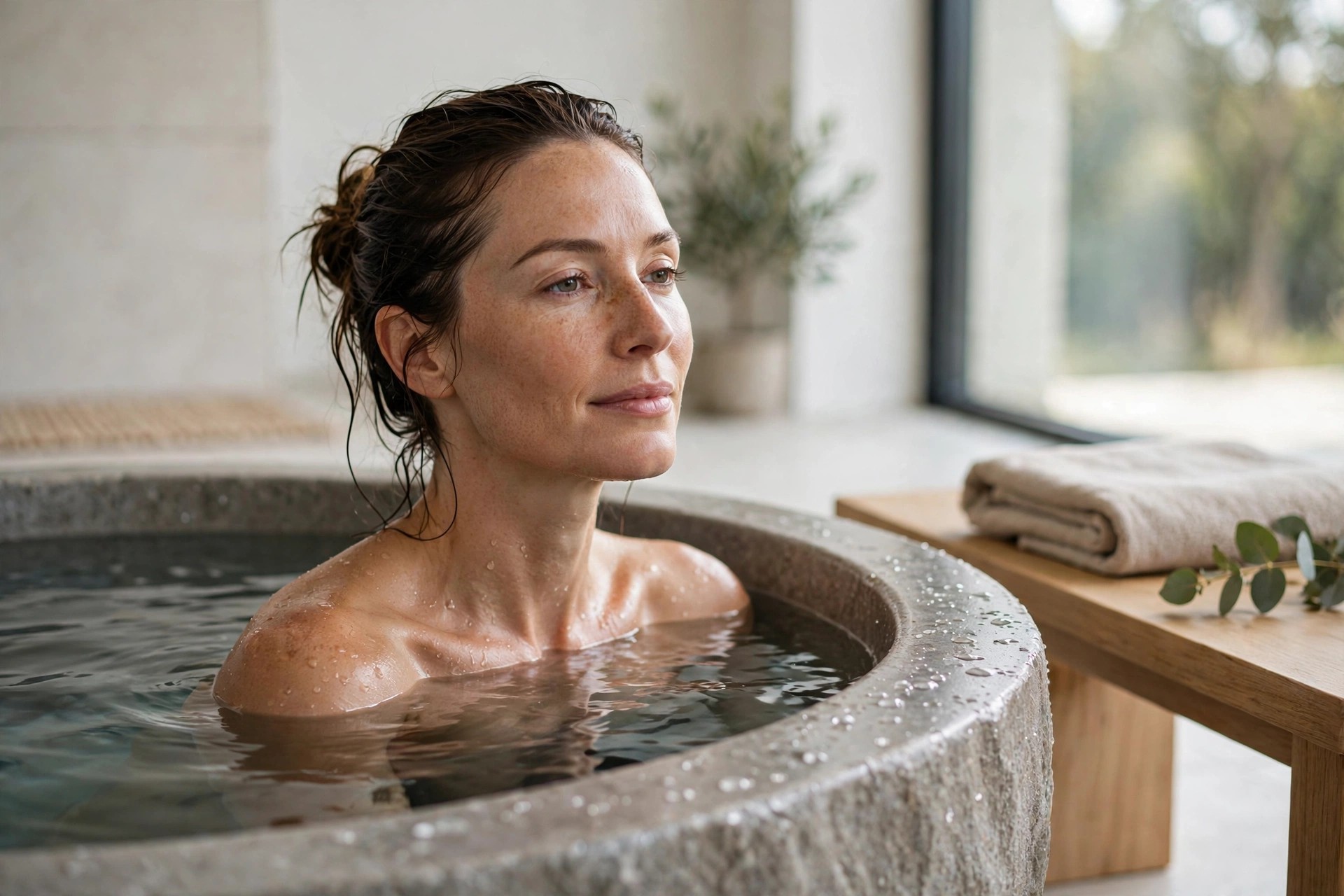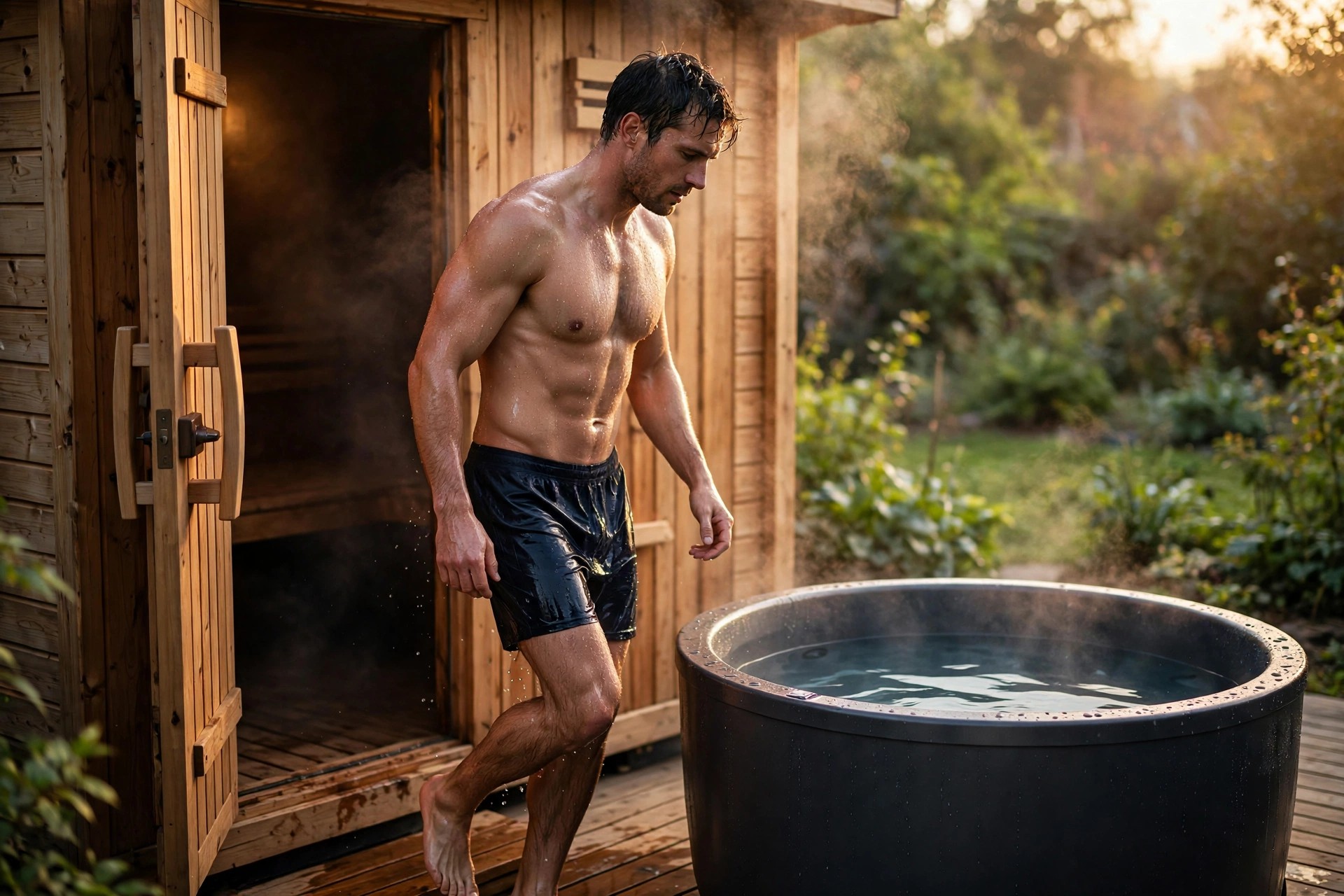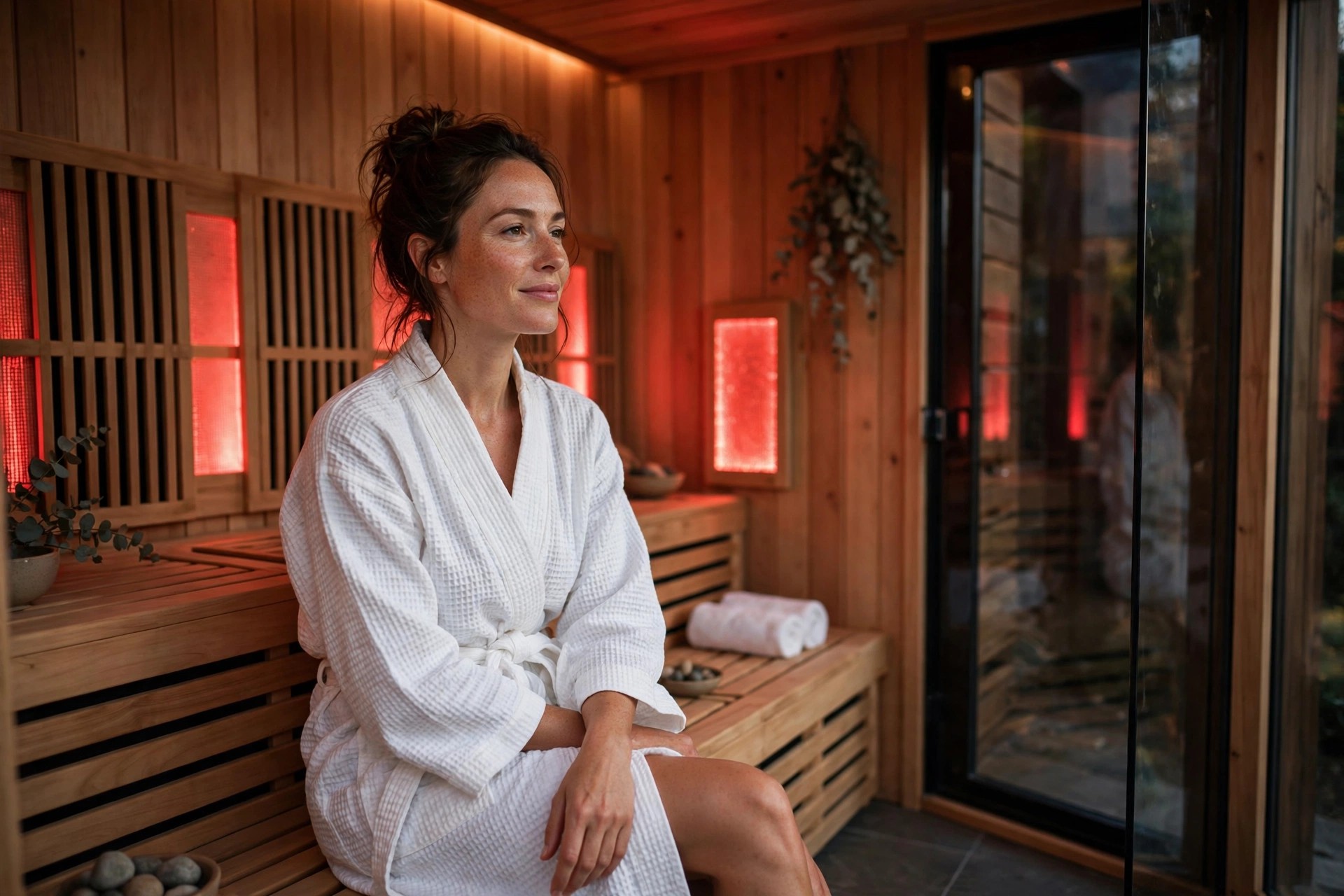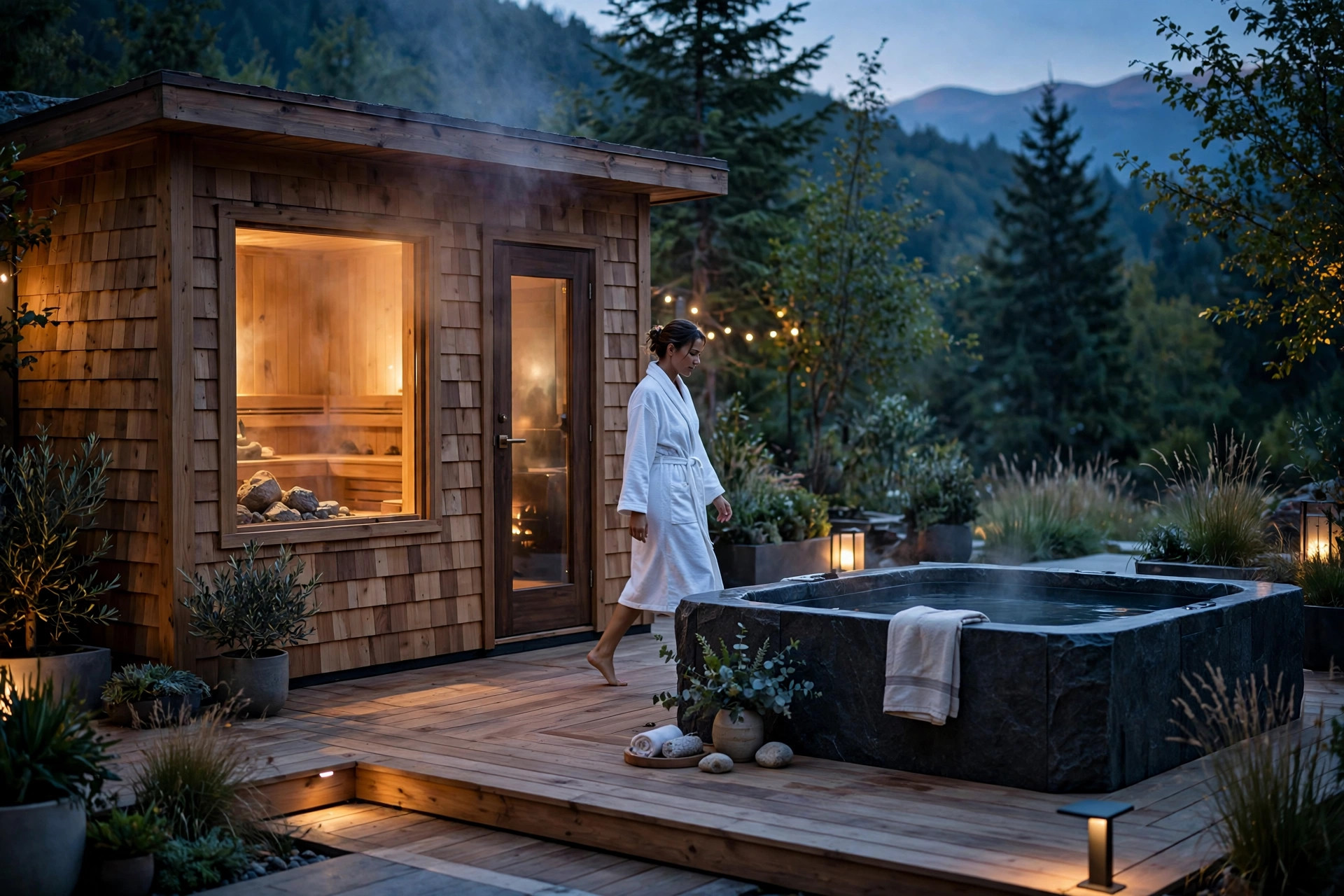
Alternating heat and cold is one of the oldest recovery practices in the world — Scandinavian sauna bathers have rolled in snow for centuries, and Japanese onsen culture pairs hot springs with cold plunges as a matter of course. The modern version, "contrast therapy," packages the same idea into structured protocols: timed rounds of heat followed by cold, repeated several times.
Interest in contrast therapy has surged alongside the home sauna and cold plunge boom, because many buyers end up owning both. If you have access to heat and cold, the question becomes practical: how long in each, how many rounds, which order, and what should you realistically expect? This guide answers all of it.
What Contrast Therapy Actually Is
Contrast therapy means deliberately alternating between hot and cold exposure in a single session. A typical session runs 20 to 35 minutes and follows a simple structure: heat for several minutes, cold for one to several minutes, repeat for multiple rounds.
The proposed mechanism is straightforward. Heat dilates blood vessels and increases circulation to the skin and extremities; cold constricts them and drives blood toward the core. Alternating the two is thought to create a "pumping" effect on circulation. That mechanism is plausible and widely cited — but be honest with yourself about the evidence tier: it's supported more by tradition, athlete practice, and small studies than by large rigorous trials. People report feeling refreshed, alert, and less stiff afterward. Those subjective effects are real even where the hard data is thin.
Contrast therapy is not a medical treatment. It doesn't need to be — as a recovery ritual, the bar is whether it leaves you feeling better, not whether it cures anything.
The Core Protocols
Most protocols are variations on a theme. Here are the three you'll encounter, from gentlest to most intense:
| Protocol | Heat | Cold | Rounds | Total time |
|---|---|---|---|---|
| Gentle 1:1 | 3–5 min | 1 min | 3 | ~15–20 min |
| Classic 3:1 | 3 min | 1 min | 3–4 | ~20–25 min |
| Extended | 5 min | 2 min | 3 | ~25–30 min |
The Gentle 1:1 is the starting point for beginners. Longer heat phases, short cold dips, modest total time. If you've never done deliberate cold exposure, start here for your first few sessions.
The Classic 3:1 is the most commonly cited protocol in athletic and wellness contexts — three minutes of heat, one minute of cold, repeated three to four times. It's popular because it's simple to remember and the cold phases are short enough to tolerate while still feeling substantial.
The Extended protocol suits experienced users who genuinely enjoy both extremes. Five-minute heat phases let you settle deeply into the warmth; two-minute cold phases are a real challenge. Don't start here.
Whichever you choose, keep the ratio, not the exact minutes, as the principle: heat phases run two to three times longer than cold phases.
Order: Start Hot, End Cold?
The near-universal convention is start with heat, end with cold. The reasoning: beginning with heat warms tissues and opens circulation gradually, making the first cold exposure less of a shock. Ending with cold leaves you alert and invigorated rather than drowsy — heat-only sessions tend to end in relaxation and sleepiness, while a cold finish produces the characteristic contrast-therapy "buzz" of alertness.
Some practitioners end with a brief return to heat, arguing it feels more pleasant and avoids leaving the body chilled. There's no strong evidence favoring one finish over the other for recovery outcomes. If your goal is alertness and energy, end cold. If your goal is winding down in the evening, ending with a short heat phase is reasonable — just know you'll likely feel sleepy rather than energized afterward.
Temperature Targets
You don't need extreme temperatures for contrast therapy to work. Moderate, tolerable temperatures done consistently beat heroic numbers done once.
Heat targets by modality: - Traditional sauna: 160–190°F (70–90°C) air temperature - Infrared sauna: 120–140°F (50–60°C) — the experience is gentler at lower air temps - Hot tub or hot bath: 100–104°F (38–40°C) water - Hot shower: as hot as comfortable, typically 105–110°F
Cold targets: - Cold plunge tub: 50–60°F (10–15°C) for beginners; experienced users often work down to 40–50°F - Cold shower: as cold as your shower goes — usually 55–65°F, which is milder than a plunge but still effective for contrast purposes - Cold bath with ice: 55–65°F depending on ice amount
The gap between your hot and cold temperatures matters more than either absolute number. A hot bath at 102°F followed by a 60°F shower is a legitimate contrast session. You don't need a 39°F plunge to participate. For more on choosing cold equipment, see our cold plunge buyer's guide; for sauna options, our infrared sauna guide covers the heat side.
Timing Details That Matter
Total session length: 20 to 35 minutes including transitions. Shorter than 15 minutes barely gets through two rounds; longer than 40 minutes tends to produce diminishing returns and fatigue.
Transitions: Move between heat and cold within a minute or two. The contrast effect depends on the swing — lingering in a lukewarm middle ground blunts it. Have your cold setup ready before you start heating.
Rest between rounds: None needed beyond the transition itself. The protocol is continuous: heat, cold, heat, cold.
Hydration: Drink water before, during, and after. Heat phases cause meaningful sweating, and dehydration plus thermal stress is an avoidable bad combination. Keep water within reach of both stations.
After the session: Give yourself 10 to 15 minutes to normalize before anything demanding. Most people feel alert; some feel deeply relaxed. Either way, your core temperature has been on a ride — don't jump straight into intense exercise or an important meeting.
Who It's For
Athletes and regular trainers use contrast therapy most — typically after hard training days, in the hours following a workout rather than immediately after. The reported benefits are reduced perceived soreness and stiffness the next day.
People who dislike cold-only plunging often find contrast sessions far more tolerable and enjoyable. The heat phases make the cold phases feel shorter, and the overall experience reads as "spa ritual" rather than "endurance test."
General wellness seekers who own or have access to both heat and cold get more use out of their equipment by combining modalities. If you bought a sauna and a plunge tub, contrast sessions are arguably the highest-value way to use them together.
Who Should Be Careful
Thermal stress in both directions affects the cardiovascular system — heat lowers blood pressure and raises heart rate; cold spikes blood pressure and heart rate initially. Anyone with a heart condition, uncontrolled high blood pressure, or cardiovascular risk factors should talk to their doctor before trying contrast therapy.
Pregnant people should avoid the heat phases (overheating in pregnancy carries known risks — discuss with your provider). People with Raynaud's phenomenon or cold urticaria should be cautious with the cold phases. And as with any thermal practice: never do it alone, never combine it with alcohol, and stop if you feel dizzy, nauseated, or unwell. Discomfort is expected; distress is a signal.
Home Setups: From Budget to Full Build
The shower-only setup ($0): Alternate your shower between hot and cold. It's the least dramatic version — showers don't get as cold as plunges — but it's free, available today, and genuinely useful for learning whether you enjoy the practice. Run each phase a bit longer to compensate for the milder temperatures.
Hot bath + cold shower or barrel ($100–$500): A hot bath (100–104°F) paired with a cold shower, or an ice-filled barrel for the cold phases. This is the classic budget contrast setup and it works well.
Sauna + plunge ($2,000–$8,000+): The full experience. An infrared or traditional sauna for heat phases and a chilled plunge tub for cold. This is the setup contrast therapy was designed around, and it's where the practice feels least like a compromise. Our cold-versus-sauna comparison can help if you're deciding which to buy first.
The transition matters in every setup. Place heat and cold close together. The difference between a 30-second and a 5-minute transition is the difference between a protocol and two separate baths.
Setting Expectations Honestly
Contrast therapy's evidence base is modest — small studies, athlete surveys, and a great deal of tradition. What it reliably delivers, by most accounts: a pronounced feeling of invigoration, reduced perceived muscle stiffness, and an enjoyable ritual that encourages consistent use of your heat and cold equipment.
What it doesn't reliably deliver: proven acceleration of muscle repair, measurable performance gains, or any disease-related benefit. The circulation "pump" mechanism is plausible but not rigorously demonstrated as the driver of the reported effects — some of the benefit may simply be that alternating strong sensations is stimulating, and that dedicated recovery rituals help people rest.
None of that is a reason not to do it. Recovery practices don't need pharmaceutical-grade evidence to be worthwhile; they need to leave you feeling better without meaningful risk. By that standard, contrast therapy earns its place — just keep the claims proportional to the evidence.
Frequently Asked Questions
How many rounds of hot and cold should I do?
Three to four rounds is the standard range. Fewer than three feels incomplete to most people; more than five tends to produce fatigue rather than additional benefit. Start with three rounds of a gentle protocol and add a fourth round or extend phases as you adapt over weeks, not days.
Should I end on hot or cold?
End on cold if you want alertness and energy afterward — this is the conventional finish and what most protocols prescribe. End with a brief heat phase if you're doing contrast therapy in the evening and want to wind down toward sleep. There's no strong evidence that one finish is better for recovery; it's about how you want to feel afterward.
Can I do contrast therapy with just my shower?
Yes. Alternate between hot and cold water in the shower — it's the most accessible entry point and costs nothing. Showers run milder than dedicated equipment (less hot, less cold), so extend each phase slightly: 3 to 4 minutes hot, 1 to 2 minutes cold. It's a genuine contrast session, just a gentler one.
How often can I do contrast therapy?
Most regular practitioners do 2 to 4 sessions per week, often on training days or rest days. Daily sessions are common among enthusiasts and aren't inherently problematic for healthy people, but pay attention to fatigue — if sessions start feeling draining rather than invigorating, cut back. As with exercise, consistency at moderate frequency beats occasional heroic sessions.
Is contrast therapy better than just a cold plunge?
It depends on your goal. For pure cold adaptation or the specific alertness of cold-only immersion, a straight plunge is more direct. For post-exercise recovery perception, general enjoyment, and getting value from owning both heat and cold equipment, many people prefer contrast sessions. They're different tools; the "better" one is the one you'll actually do consistently.
Can I do contrast therapy right after a workout?
You can, but many practitioners wait 1 to 2 hours after training rather than jumping in immediately. The reasoning: the acute inflammatory response after exercise is part of adaptation, and blunting it immediately with cold may not be ideal if your goal is training adaptation rather than just feeling better. If your priority is feeling fresh for tomorrow's session, sooner is fine. This is an area where practice runs ahead of definitive evidence.
This article is for informational purposes only and is not medical advice. Consult a qualified professional before making health decisions.